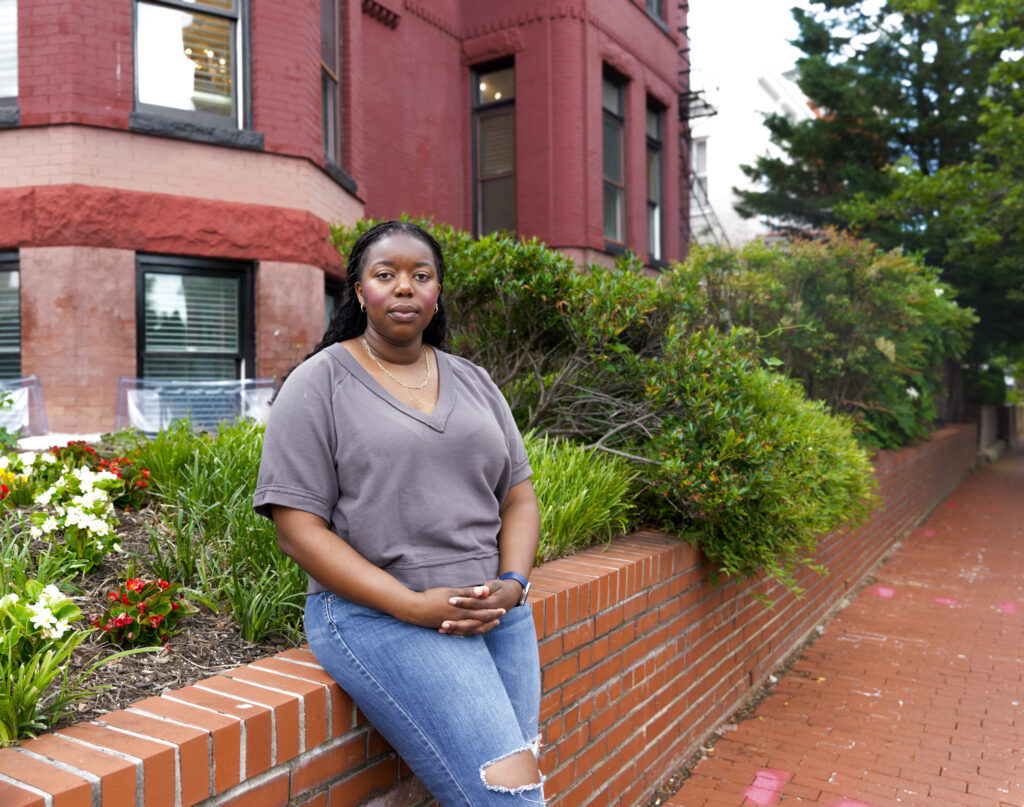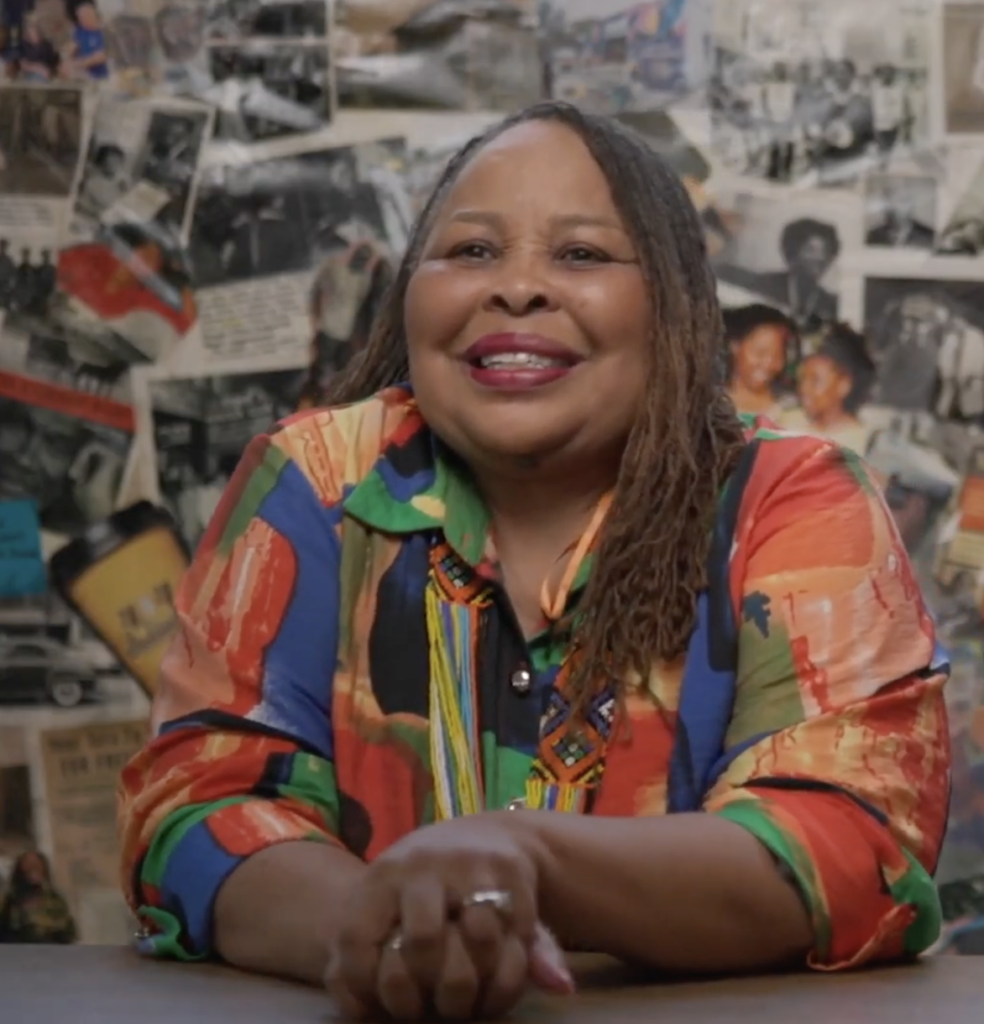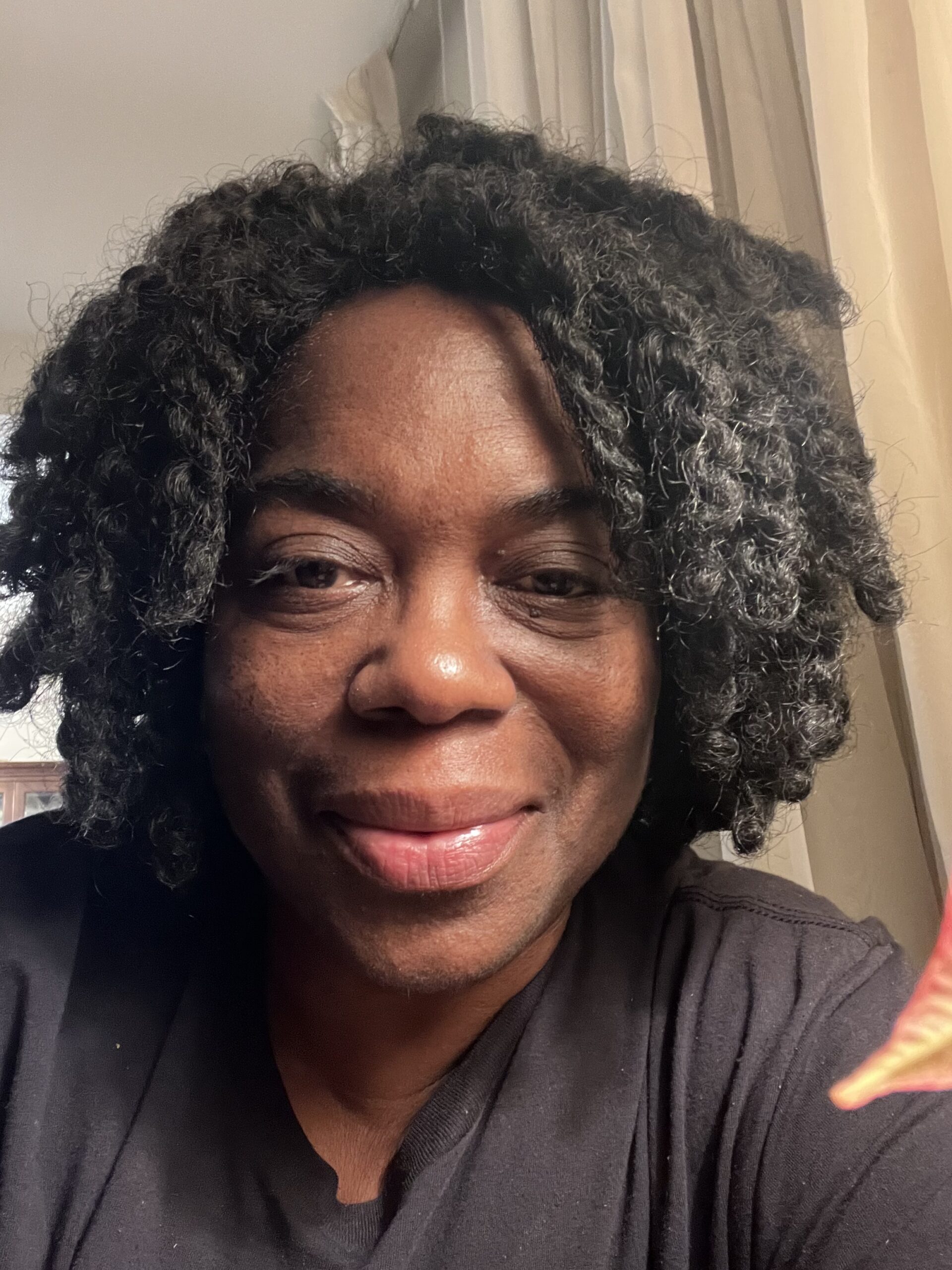
Brenda Jones (Courtesy of Brenda Jones)
I Wrote John Lewis’ Last Message to America
After years as John Lewis's speechwriter, Brenda Jones faced the most difficult assignment of her career: writing the civil rights leader's goodbye letter to the country when he could no longer speak for himself.
Brenda Jones is the first Black woman to ever be appointed as a senior presidential speechwriter in the United States, serving President Joe Biden, and the longtime communications director and speechwriter for Congressman John Lewis. Raised in Washington, D.C., by a mother who taught her that writing became the record, Jones built a career shaping words for moments of consequence. In this reflection, she traces how some of her most meaningful writing emerged in seasons of grief — from filing an early magazine story after her mother’s death, to interviewing with Lewis on the first anniversary of her husband’s passing, to drafting the final op-ed he would leave behind for the country.
This account has been condensed and edited for clarity.
Long before I walked into the White House, I remember standing outside the gate as a kid, looking in.
There was a bus that stopped right in front of the White House because the White House was a hub where a lot of buses going north to south or east to west all stopped.
I never imagined that I would actually be on the inside of that gate.
I had been shaped by a city and a family that treated language as something serious.
I grew up in Chocolate City, surrounded by Black professionals, politics, history, and people making things happen. My mother was a historian, and she taught us that writing had power because writing became the record.
One of my first writing assignments was a magazine story on Avery Brooks. He was in Washington doing Othello at the Shakespeare Theatre. I was this little tiny person sitting across from this tall, statuesque African American man with a deep, booming voice, anxiously trying to write down everything he said. I had to file that story when my mother had died. I got writer’s block, but I ultimately filed it, and it became a cover story.
Years later, after my husband passed away, a friend called and said Congressman John Lewis was looking for a communications director. My husband had only been gone about seven months, so I did not have my usual energy. But I knew it was a fabulous opportunity.
Before my husband died, we had taken what we called a civil rights tour through the South. He was a physician, and there was a medical conference in Nashville. Afterward, we drove from Nashville down to New Orleans, stopping in Birmingham, Jackson, Selma, and other places. At the time, we were reading Congressman Lewis’ biography, Walking with the Wind. We stood on the Edmund Pettus Bridge. I never imagined I would one day work for John Lewis.
My interview with Congressman Lewis happened on the first anniversary of my husband’s death.
He asked why I would want to work on Capitol Hill during the Bush administration. I told him, “This is the time when a lot of the rights we have been fighting for could be taken away. This is the time we need to stand up.”
Then I said, “Congressman, I would not just work for anybody on Capitol Hill, but you are a person who put your life on the line so that I could be here.”
That sealed the deal.
In December 2019, Congressman Lewis was diagnosed with pancreatic cancer. By July 2020, it looked as though he was going to pass away. And I realized I had to write his very last statement.
This was a man I dearly loved and greatly respected, and I could not sit down with him and ask, “Congressman, what do you want to say?” At that point, he was not communicating very much. So I had to rely on what I knew. At a time when I wanted to shut down, I had to dig in and find what I knew he would want to say.
I procrastinated because it was emotionally very difficult. Finally, I faced it. I knew I had to say the things he would want to say, in his words.
Congressman Lewis was a storyteller. I am more of an intellectual writer. So I wrote and rewrote and stripped out everything that was me until I felt: This is John Lewis. This is what he would say.
They read it to Congressman Lewis. He hardly changed anything.
It was published after he passed away. People still talk about it. Morgan Freeman recorded it.
It was a proud moment, even though it was very sad.
I wish it was not the last thing I wrote for John Lewis.